Understanding Surface Preparation & Paint Systems
What homeowners should know about preparation, primers and coating systems before a painting project begins.
A successful paint job depends on much more than the final coats of paint. Surface condition, preparation and the compatibility of the coating system all influence how the finished paintwork looks and performs over time.
Understanding these parts of the process can also help homeowners make better sense of a painting quotation — including why additional preparation may be required, why different primers or sealers may be specified, and what questions to ask before work begins.
There is no single preparation system that applies to every painting project. The appropriate approach depends on the substrate, its condition, the existing coating, the environment and the requirements of the products being used.
This article explains the principles behind professional surface preparation and paint systems, so homeowners can better understand the work being proposed and why different projects may require different approaches.
About This Guide
This guide is intended to help homeowners understand common surface preparation and coating-system principles. It is not a project specification or a set of mandatory painting rules.
The appropriate preparation, primer, sealer and finishing system can vary depending on the substrate, its condition, existing coatings, exposure and the products being used. A professional painter, coating specialist or paint manufacturer may recommend a different system after assessing the actual project.
Always follow the technical requirements of the coating system selected for the job.
Why Surface Preparation Matters
Paint performs best when it is applied over a clean, dry, stable and properly prepared surface.
Before painting begins, the existing surface is normally assessed for problems such as:
- dirt, grease and other contamination
- loose or failing paint
- weathering
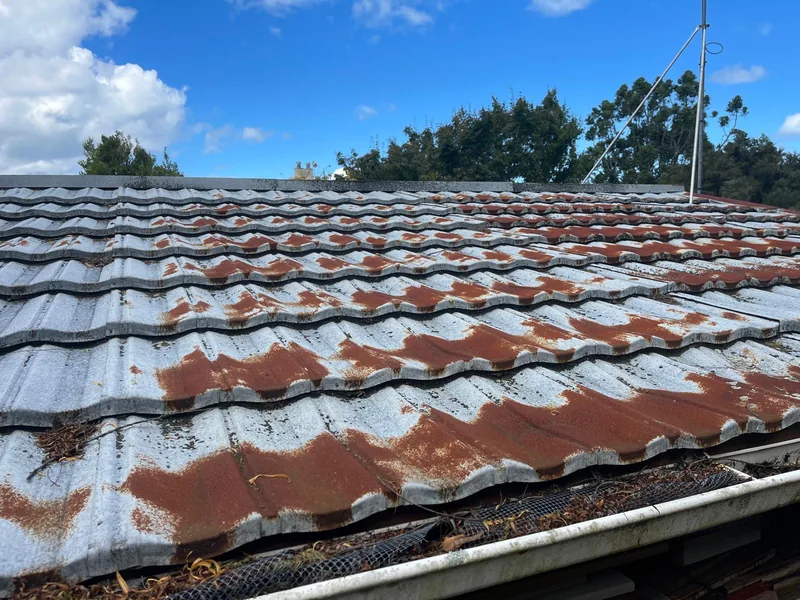
- rust or corrosion
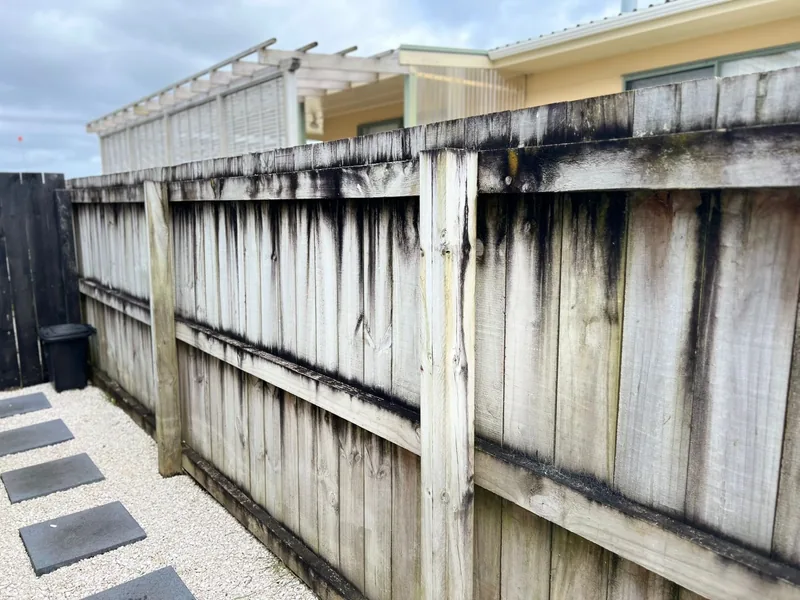
- mould or biological growth
- excessive porosity or powdering
- moisture
- staining
- poor adhesion of previous coatings
The required preparation depends on what is found.
A sound previously painted wall may only require cleaning, minor repairs and light sanding before repainting. A weathered timber exterior may require considerably more preparation. Corroded metal may need rust treatment and an anti-corrosive primer, while an old powdery masonry surface may require a penetrating sealer before it can be successfully painted.
This is why surface preparation can represent a significant part of a professional painting project.
The finishing paint may be the most visible part of the job, but its performance depends heavily on the condition of everything underneath it.
Good paint cannot compensate for a poorly prepared or unstable surface.
Older coatings and building materials can also require additional precautions before preparation begins, particularly where lead-based paint or asbestos-containing materials may be present.
Primer, Sealer, Undercoat & Pre-Treatment
These terms are often used together, but they do not necessarily describe the same job.
Understanding their basic functions helps explain why different preparation products may be specified on different projects.
Primer
A primer is primarily used to help the coating system bond correctly to the surface.
Depending on the substrate, it may also provide additional protection. Metal primers, for example, can form part of the corrosion-protection system, while timber primers are designed to provide a suitable base for subsequent coatings.
Sealer
A sealer is used when characteristics of the surface itself need to be controlled or stabilised.
This may include surfaces that are:
- highly porous
- powdery or chalky
- alkaline
- stained
- unevenly absorbent
Different sealers perform different functions, so a product suitable for one of these conditions may not necessarily be suitable for another.
Undercoat
An undercoat creates a more consistent intermediate surface before the finishing coats are applied.
It can help improve hiding, build and colour uniformity and can provide a better base for the final finish.
Pre-Treatment
A pre-treatment is used to condition or treat the substrate before the main primer and coating system.
For example, some weathered timber systems may include a penetrating treatment before priming.
One Product Can Perform More Than One Function
Primer, sealer and undercoat describe functions, rather than necessarily describing three separate products.
Modern preparation coatings often combine several functions in one product, which is why products may be described as a primer/sealer/undercoat.
However, this does not mean that one universal preparation product is suitable for every surface.
The correct product still depends on the substrate, its condition and the coating system being applied.
Preparing Timber Surfaces
Timber is one of the most common painted building materials in New Zealand, but its preparation can vary considerably depending on its age, species, previous coatings and exposure to weather.
New Timber
New timber generally requires cleaning where necessary, sanding and appropriate priming before finishing coats are applied.
The primer needs to be compatible with both the timber and the intended topcoat.
Some timber species also contain natural extractives that can affect coatings, so the type of timber can influence the preparation system.
Weathered Timber
Timber exposed to sunlight and weather gradually deteriorates at the surface.
It may become grey, rough or fibrous, and simply applying primer over this weathered layer may not provide a stable base for the new coating.
Professional preparation may therefore include cleaning, removal of degraded fibres and sanding before the appropriate preparation system is applied.
Some coating systems also use a penetrating timber pre-treatment before the primer.
A timber pre-treatment and a timber primer do not necessarily perform the same function.
Previously Painted Timber
Existing paint is normally assessed before deciding how much preparation is required.
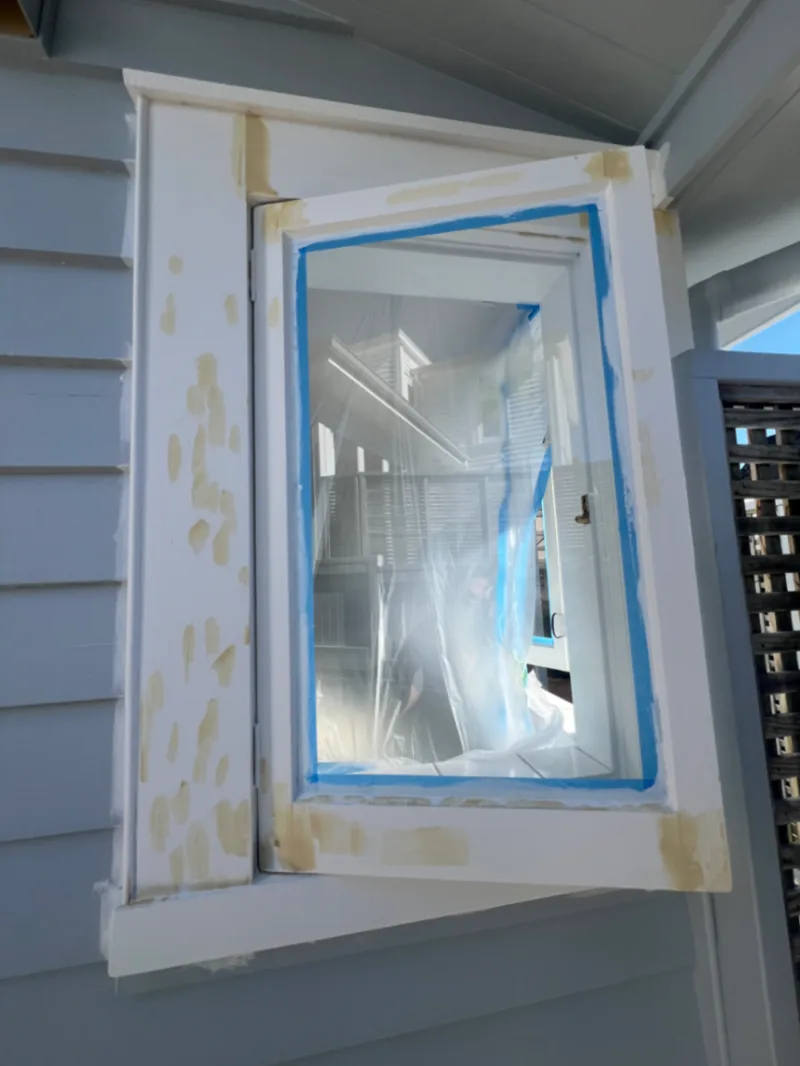
If the coating is sound and firmly attached, the surface may only require cleaning, sanding and local repairs. Bare areas can then be spot-primed where necessary.
A complete coat of primer is not automatically required every time a previously painted surface is repainted.
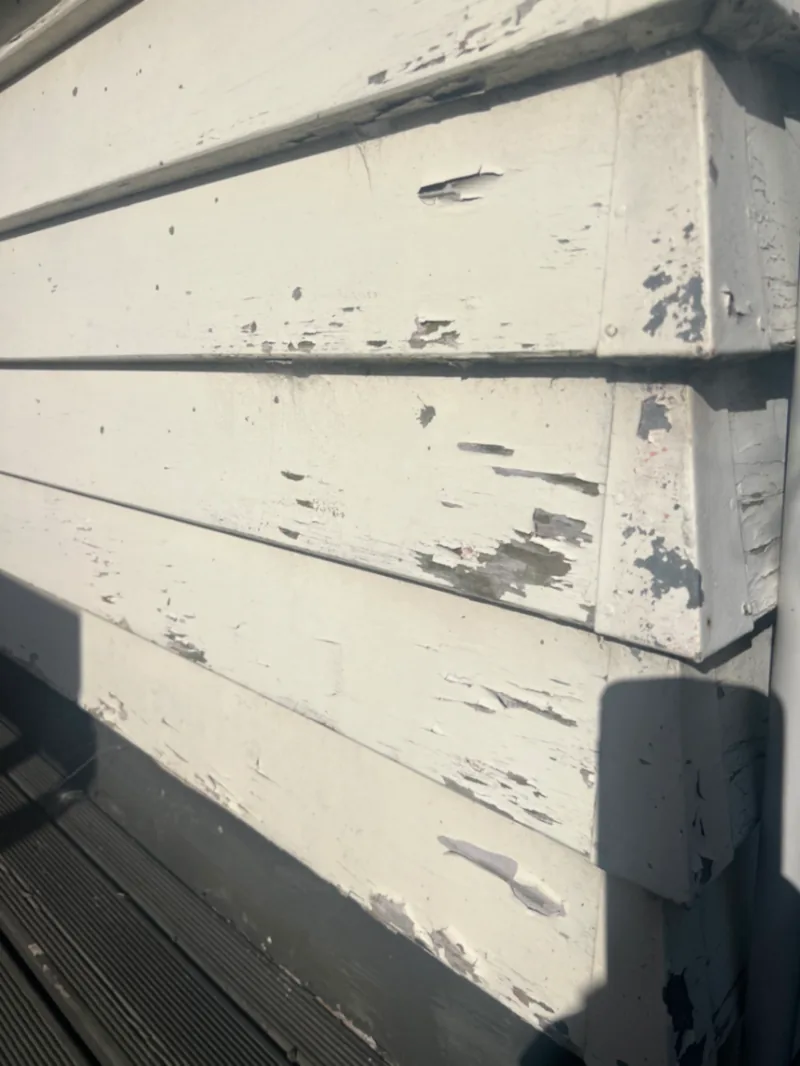
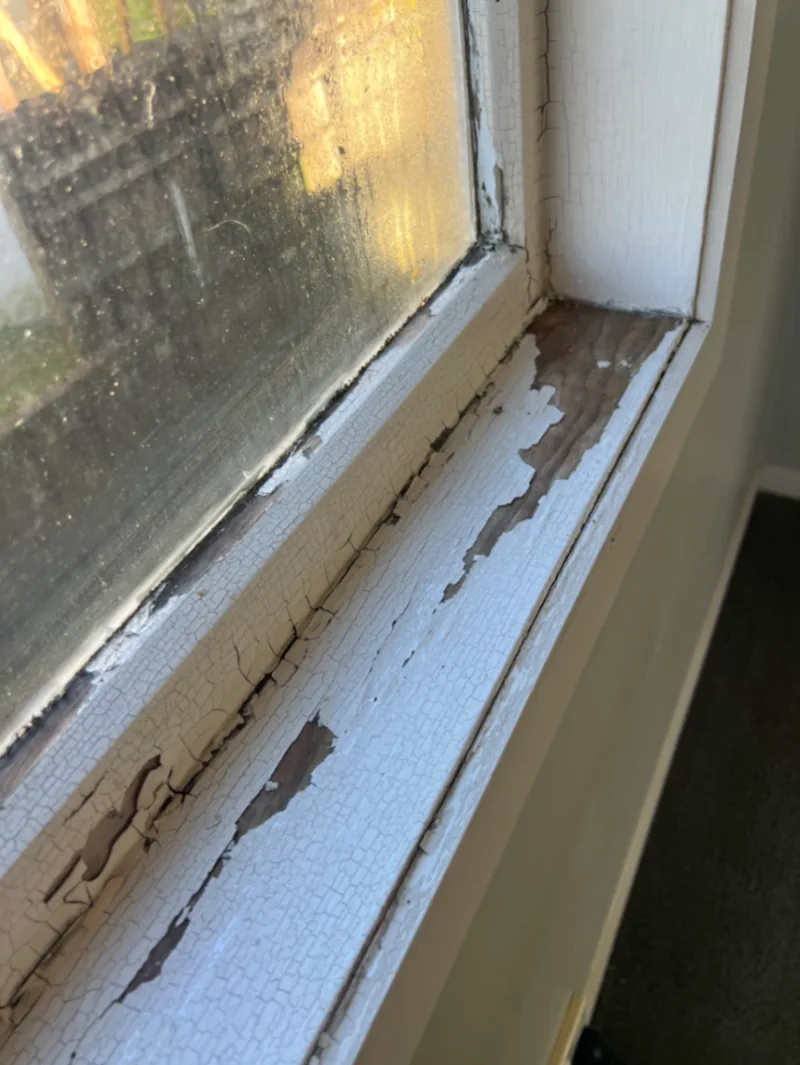
Where existing paint is peeling, cracking or losing adhesion, the failing material needs to be addressed before the new coating system is applied.
Timber Staining and Extractives
Some timbers contain natural oils, resins or extractives that can migrate through coatings or interfere with certain paint systems.
In these situations, a specialised preparation system may be required rather than a standard timber primer.
The important point is that the timber species and the problem being controlled can matter just as much as the fact that the surface is timber.
Moisture and Timber Condition
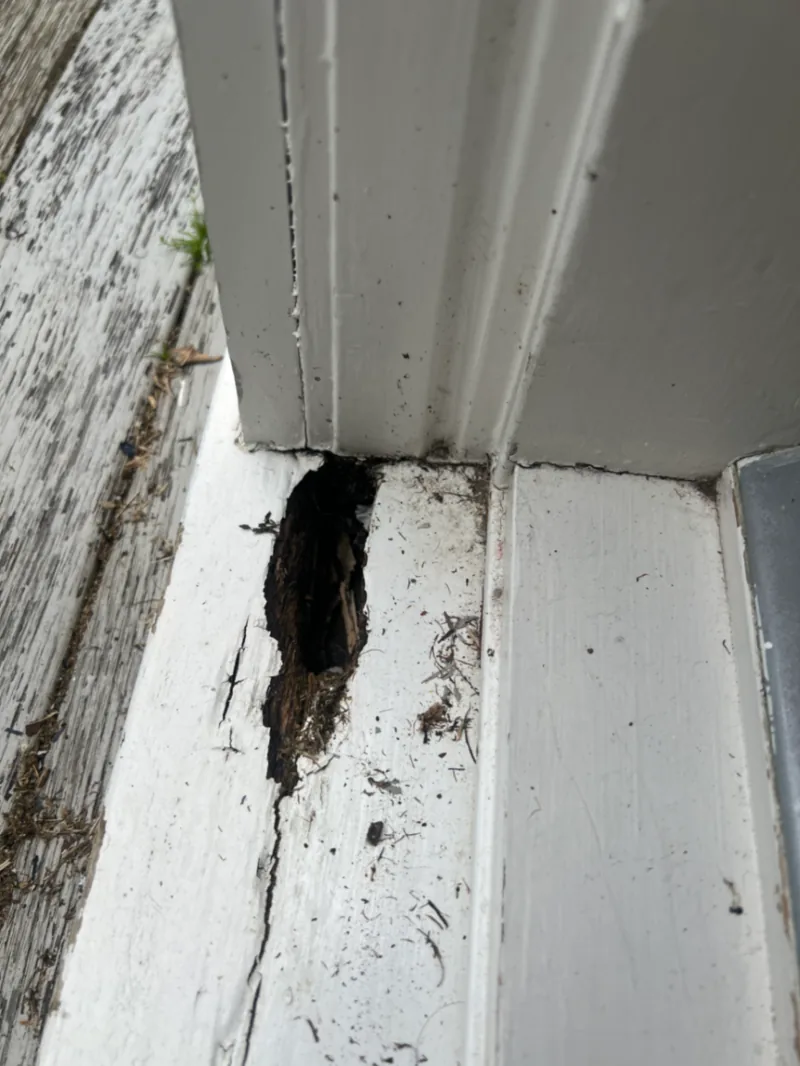
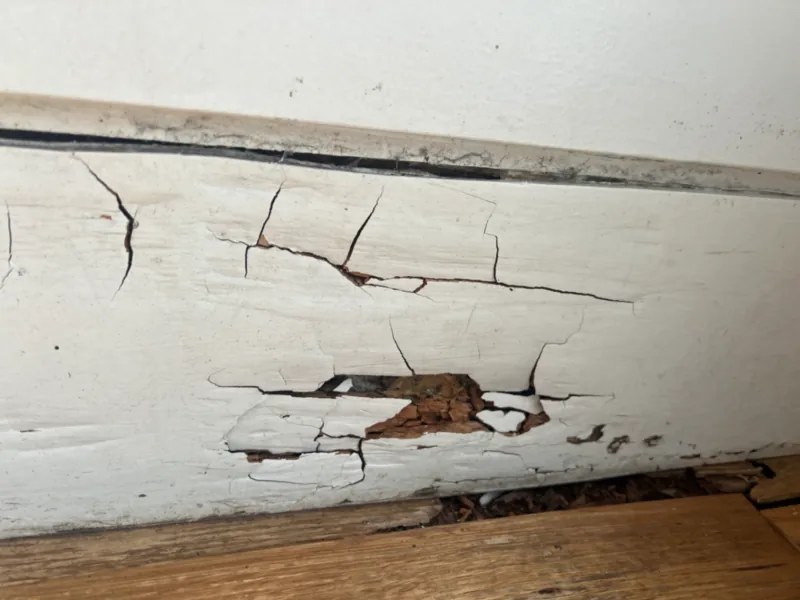
Paint should not be expected to solve problems caused by wet, rotten or deteriorated timber.
Where excessive moisture or decay is present, the underlying cause needs to be addressed before the painting system can perform properly.
Preparing Metal Surfaces
Metal preparation is a good example of why the description "metal primer" is often too broad.
Different metals behave differently, and the condition of the metal can completely change the preparation system required.
Galvanised and Zinc-Coated Steel
Galvanised steel has a protective zinc coating that helps protect the underlying steel from corrosion.
New galvanised steel and material that has been exposed to weather for some time may require different preparation, depending on the coating system being used.
The important requirement is that the selected primer or coating system is specifically suitable for the actual condition of the galvanised surface.
It should not simply be assumed that every general metal primer will perform the same job.
Weathered Galvanised Metal
As galvanised metal ages, oxidation and environmental contamination can develop on the surface.
This changes the preparation requirements.
The surface normally needs to be thoroughly cleaned and any unstable corrosion addressed before a compatible coating system is applied.
Some primers are suitable for both new and weathered galvanised steel, while others have more specific uses. This is why professional specifications are based on the manufacturer's coating system rather than a generic rule such as "old metal needs an oil-based primer".
White Corrosion and Red Rust
White or grey corrosion on galvanised metal relates to deterioration of the zinc surface.
Red rust usually indicates that the underlying steel has become exposed and is corroding.
These are different conditions and may require different treatment within the overall coating system.
Where corrosion is severe enough to damage the metal itself, painting alone cannot restore the substrate and repair or replacement may be necessary.
Bare Steel
Bare mild steel requires a coating system that provides appropriate corrosion protection.
Surface contamination and rust must be addressed before the anti-corrosive primer and finishing system are applied.
Factory-Coated Metal
Many roofing, cladding and joinery products already have a factory-applied coating.
When these surfaces are repainted, the new coating needs to bond to the existing factory finish, rather than directly to the metal underneath.
This can require a different adhesion system from one used on bare or galvanised metal.
Aluminium and Powder-Coated Joinery
Bare aluminium and powder-coated aluminium should not automatically be treated as the same surface.
With existing powder-coated joinery, adhesion to the factory coating is usually one of the main considerations.
Preparation and primer selection therefore depend on the existing finish and its condition.
Preparing Concrete, Render & Masonry
Concrete and masonry surfaces can appear simple, but they present several different preparation issues.
Two concrete walls can look similar while requiring very different coating systems.
New Concrete and Render
New cement-based surfaces need to reach a suitable condition before they are coated.
Their age, moisture, alkalinity and surface condition can all affect the coating system.
The surface may also contain laitance, curing compounds, form-release agents or other materials that interfere with adhesion.
For this reason, professional specifications consider the requirements of the selected coating system rather than relying only on whether the concrete appears dry.
Porous Masonry
Older concrete, plaster and masonry can become highly absorbent.
A suitable penetrating sealer may be used to control excessive absorption and provide a more stable base for subsequent coatings.
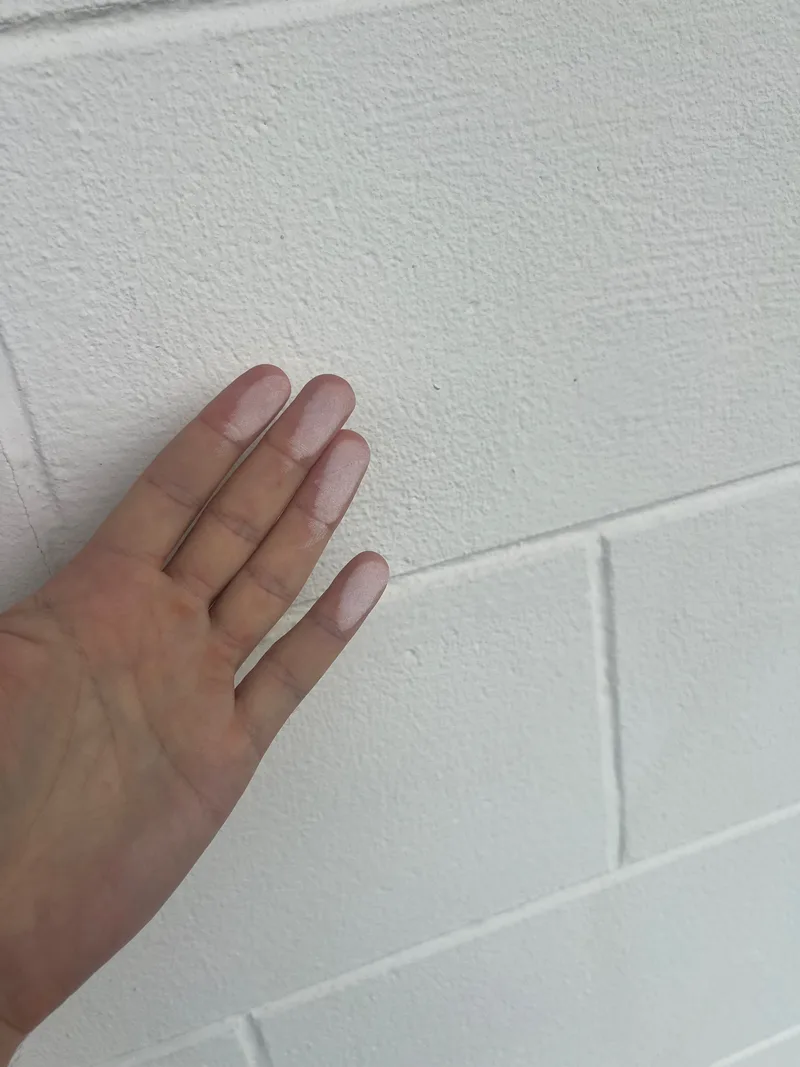
Powdery or Chalky Surfaces
Some older cementitious surfaces become powdery or chalky as they deteriorate.
In these situations, simply painting over the loose material can result in poor adhesion because the new coating is effectively attached to the powder rather than to a sound substrate.
Loose material needs to be addressed first, and an appropriate penetrating sealer or binder may form part of the preparation system.
A sealer cannot, however, restore masonry that has become seriously unsound or friable.
Smooth or Dense Concrete
Very smooth concrete presents almost the opposite problem.
Instead of being too absorbent, it may provide insufficient surface profile for good coating adhesion.
Preparation may therefore focus on adhesion and surface profile rather than sealing porosity.
This is why a product intended for highly porous concrete is not necessarily appropriate for smooth, dense concrete.
Efflorescence
Efflorescence appears as white mineral salts on masonry surfaces.
Although the visible salts can be removed, they are often associated with moisture moving through the substrate.
Professional preparation therefore considers why the efflorescence is occurring, rather than simply covering it with another coating.
If the moisture problem remains active, repainting alone may not provide a lasting solution.
Plasterboard & Interior Surfaces
Interior surfaces generally experience less severe environmental exposure than exterior materials, but correct preparation still has a major influence on the finished appearance.
New Plasterboard
New plasterboard typically contains both paper-faced board and stopping compounds.
These areas can absorb paint differently, so an appropriate sealer or preparation coat is normally used to create a more consistent surface before the finishing coats are applied.
Repaired Walls
Filled holes, cracks and plaster repairs can also absorb paint differently from the surrounding wall.
These areas may require local sealing or priming before repainting to help produce a consistent finish.
Previously Painted Walls
Where existing paint is sound and compatible, complete priming is often unnecessary.
The work may instead involve cleaning, repairs, sanding or deglossing before the finishing coats are applied.
Glossy Existing Coatings
Gloss and enamel surfaces can present adhesion problems for subsequent coatings.
These surfaces are normally cleaned and prepared to provide a suitable key, with an adhesion primer used where the coating system requires one.
Stains
Water stains, smoke contamination and other staining may continue to migrate through ordinary water-based paint.
Once the original cause has been addressed and the surface properly cleaned and dried, an appropriate stain-blocking or isolating sealer may be required before repainting.
Mould
Painting directly over mould does not address the underlying problem.
The affected area needs to be treated appropriately, and persistent moisture or ventilation issues may also need to be addressed before repainting.
Fibre Cement & Other Special Surfaces
Some building materials require additional consideration because their age, composition or existing finish affects how they can safely and successfully be prepared.
Fibre Cement
Modern fibre-cement products can generally be incorporated into suitable exterior or masonry coating systems.
Older fibre-cement materials require more caution because some older building products may contain asbestos.
Where the material is unidentified or its age is uncertain, its composition should be considered before abrasive or other potentially disruptive preparation is carried out.
Powder-Coated Surfaces
Powder coating is a factory-applied finish and should generally be treated as an existing coating rather than as bare metal.
The condition and adhesion of that coating influence the preparation required before repainting.
uPVC and Other Plastics
Some plastic building components can be painted using specialised systems, while others may not be suitable for painting or may be affected by colour, heat or manufacturer warranty requirements.
The suitability of the actual substrate therefore needs to be established before a coating system is selected.
Unknown Existing Coatings
Sometimes the existing coating cannot be confidently identified.
In these situations, assuming compatibility can create problems with adhesion, drying or subsequent coating performance.
A professional painter may use test areas, product information or manufacturer guidance before committing to the full coating system.
Common Surface Problems
Many painting problems are actually surface problems, and choosing a stronger or more expensive primer does not necessarily solve them.
Poor adhesion
Surface preparation and, where required, an appropriate adhesion primer
Rust
Corrosion removal and an anti-corrosive coating system
Powdery masonry
Removal of unstable material and suitable binding/sealing where appropriate
Highly porous masonry
Control of excessive absorption
Timber extractive staining
An appropriate blocking/isolation system
Water staining
The moisture source first, then stain isolation where required
Smoke or nicotine contamination
Cleaning followed by appropriate stain/odour isolation where required
Mould
Treatment of contamination and the conditions allowing it to develop
Efflorescence
Investigation of moisture movement through the masonry
Wet timber or masonry
Moisture condition must be addressed before coating
Rotten or badly deteriorated material
Repair or replacement rather than additional primer
The last few examples are particularly important.
Sometimes the correct preparation product is no product at all until the underlying problem has been resolved.
How a Professional Paint System Is Selected
A professional paint specification is normally considered as a complete system rather than as a collection of individual products.
For example, knowing that a surface is timber is only the beginning.
The painter also needs to consider whether it is new or weathered, bare or previously painted, sound or deteriorated, dry or affected by moisture, and whether the timber itself presents any particular coating issues.
The same applies to metal and masonry.
Once these factors are understood, the appropriate preparation and coating functions can be selected.
Different systems can be equally appropriate for the same project.
Paint manufacturers may use different preparation products, primers and coating combinations to solve the same underlying problem. What matters is that the complete system is suitable for the surface, its condition and the intended exposure.
The Complete System Matters
Primers, sealers and topcoats are designed to work as part of compatible coating systems.
A product that performs well in one system is not automatically interchangeable with another simply because both products are called primers.
Professional painters therefore use manufacturer specifications and Technical Data Sheets to confirm matters such as:
- suitable substrates
- required surface preparation
- compatible primers and topcoats
- number of coats
- drying and recoating requirements
- application conditions
- exterior, interior, roof or other exposure requirements
This is also why two professional quotations for the same property may specify different preparation products while both use reputable paint systems.
The important question is not simply which brand is being used, but whether the proposed system is appropriate for the surface and its condition.
When Primer Isn't the Answer
Primer is an important part of many coating systems, but it cannot solve every problem.
If timber is rotten, it may need repair or replacement.
If steel has suffered serious corrosion, the condition of the metal itself may need to be assessed.
If water is continuing to enter a wall, covering the resulting stains will not stop the leak.
If masonry is repeatedly producing efflorescence, the movement of moisture through the substrate needs to be considered.
And if an existing coating is already sound and compatible, applying another full coat of primer may provide little benefit.
The purpose of professional preparation is therefore not to use as many products as possible.
It is to identify what the surface actually needs before the finishing coats are applied.
Frequently Asked Questions
No. New or exposed substrates commonly require some form of primer or sealer, but sound and compatible previously painted surfaces may only require cleaning, repairs and appropriate surface preparation before recoating.
Some preparation products are designed for a wide range of substrates, but no single product should be assumed to solve every surface condition. Rust, timber extractives, powdery masonry and difficult factory coatings are very different problems.
Not necessarily. The chemistry of the product is only one part of the coating system. The correct choice depends on the substrate, its condition, the problem being addressed and compatibility with the finishing coats.
A sealer is commonly used when characteristics of the substrate itself need to be controlled, such as excessive porosity, powdering, staining or alkalinity. Some products perform both primer and sealer functions.
Not always. If the existing coating is sound and compatible, preparation may involve cleaning, sanding and local repairs, with exposed areas spot-primed where necessary. The condition of the existing coating determines the system.
Concrete can be new, aged, porous, powdery, smooth, alkaline or affected by moisture. These conditions create different coating requirements, which is why simply specifying a "concrete primer" does not describe the whole preparation system.
Paint can form part of the final restoration once the surface is suitable, but it should not be expected to correct an active leak, persistent moisture problem or the underlying conditions causing recurring mould.
Continue Learning
Preparation, Paint Systems & Warranties
Why preparation matters, how paint systems are specified and what a painting warranty actually covers.
Exterior House Painting Guide
Exterior repainting explained — walls, soffits, fascia, cladding types, access and timing.
Interior House Painting Guide
Interior repainting explained — walls, ceilings, doors and trims, plus what to expect on site.