What Does Exterior House Painting Cost in New Zealand?
The cost of exterior house painting varies considerably from one property to another. Two houses with similar floor areas can require very different amounts of labour depending on their design, condition and accessibility.
Some of the most common factors include:
- total paintable surface area;
- number of storeys;
- cladding material;
- property access;
- existing paint condition;
- level of preparation required;
- number of colours;
- windows, trims and architectural details.
Rather than using a fixed price per square metre, most professional painters assess these factors together when preparing a quotation.
Our calculator follows the same principle by adjusting the estimate according to the information you provide.
What Affects the Cost of Exterior Painting?
Property Size
Larger homes naturally require more paint and labour. However, the relationship is not always proportional.
A large modern home with simple cladding and good access may sometimes cost less per square metre than a much smaller character home with decorative trims, multiple rooflines and difficult access.
Condition of Existing Paint
The existing condition of your home’s exterior is often one of the biggest factors affecting the overall price.
A house that has been regularly maintained may only require cleaning, minor preparation and repainting.
Older homes may need considerably more work before painting can even begin.
Preparation may include:
- removing loose or flaking paint;
- sanding weathered timber;
- treating mould and mildew;
- filling cracks and minor defects;
- spot priming bare surfaces;
- replacing small damaged timber components where required.
Homes requiring extensive preparation usually take significantly longer to complete than those that have been well maintained.
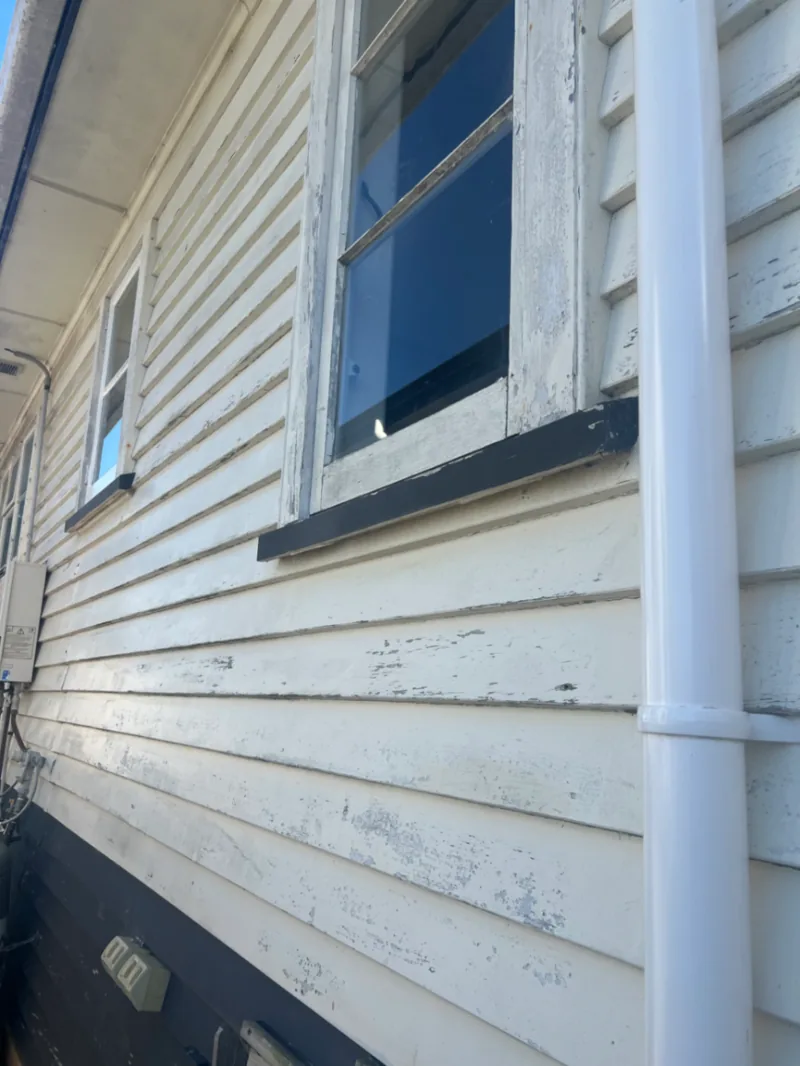
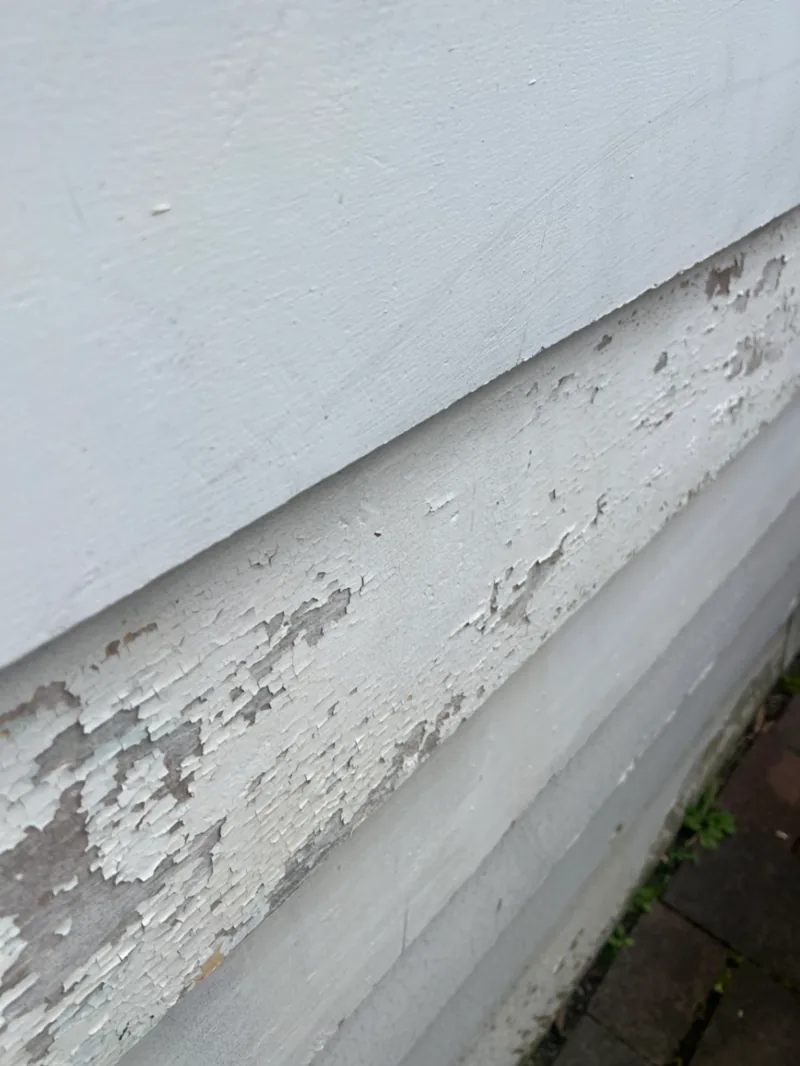
If you’d like to understand why preparation plays such an important role, see our guide to Preparation, Paint Systems & Warranties.
Cladding Type
Different exterior cladding materials require different preparation methods and paint systems.
Common cladding types found throughout New Zealand include:
- weatherboards;
- fibre cement;
- plaster systems;
- brick (painted);
- concrete block;
- metal cladding;
- composite materials.
Each material has its own maintenance requirements, recommended primers and suitable paint systems.
Access Around the Property
Ease of access has a direct impact on labour.
Homes with narrow pathways, steep sections, retaining walls, extensive landscaping or limited working space may require additional time to complete safely.
Multi-storey homes often require scaffolding or elevated work platforms, which can also influence the total project cost.
Number of Colours
Many homeowners focus only on wall colours, but exterior projects often include multiple painted elements.
These may include:
- walls;
- soffits;
- fascia boards;
- window frames;
- doors;
- garage doors;
- balustrades;
- architectural trims.
Using several colours generally increases masking, cutting-in and cleaning time between coats.
What’s Usually Included in an Exterior Painting Project?
Every contractor works slightly differently, but a professional exterior repaint commonly includes the following stages.
Site Preparation
Before painting begins, surrounding areas are usually protected to minimise overspray and paint splashes.
This may include covering:
- decks;
- paths;
- gardens;
- outdoor furniture;
- windows;
- roofs;
- neighbouring surfaces where required.
Good preparation helps reduce cleanup time and protects the property throughout the project.
Washing
Exterior surfaces are normally washed before any paint preparation begins.
Depending on the surface and its condition, this may involve:
- soft washing;
- pressure washing;
- mould treatment;
- removal of dirt, dust and chalking;
- cleaning salt deposits in coastal areas.
A clean surface allows primers and topcoats to bond properly.
Surface Preparation
Preparation is often the most labour-intensive part of exterior painting.
Typical preparation may include:
- scraping loose paint;
- sanding weathered timber;
- filling minor imperfections;
- caulking gaps where appropriate;
- spot priming bare areas.
The amount of preparation required depends entirely on the existing condition of the home.
Priming
Not every project requires a full primer coat.
Many repaint projects only require spot priming where bare timber or repaired areas have been exposed.
A full primer or undercoat may be recommended when:
- changing from dark to light colours;
- painting new building materials;
- coating weathered timber;
- applying specialised coating systems.
Your painter should recommend the most appropriate system for your home’s condition rather than applying unnecessary products.
Applying the Finish Coats
Most exterior painting systems include two finish coats applied over the prepared surface.
Professional painters may use brushes, rollers, spray equipment or a combination of these methods depending on the project requirements.
The application method is selected based on factors such as:
- surface type;
- weather conditions;
- finish quality;
- accessibility;
- manufacturer’s recommendations.
The goal is to achieve even coverage, consistent colour and the recommended dry film thickness for long-term durability.
Choosing the Right Exterior Paint
Selecting the right paint is just as important as choosing the right colour. Different surfaces require different coating systems, and using an unsuitable product can reduce the lifespan of the paint job.
Professional painters normally select paint based on:
- the type of cladding;
- the age and condition of the surface;
- previous coatings;
- the property’s location;
- the level of weather exposure.
For example, coastal homes may require higher resistance to salt and UV exposure, while older timber weatherboards often benefit from more flexible paint systems that accommodate natural movement.
When choosing a paint system, long-term durability is usually more important than the lowest material cost.
Paint Finish and Colour Selection
Colour has a greater impact than simply changing the appearance of a home.
Dark colours generally absorb more heat than lighter colours, which can influence the temperature of some building materials and increase movement in timber or composite cladding.
Some manufacturers also recommend maximum Light Reflectance Values (LRV) for certain substrates to reduce the risk of excessive heat build-up.
Besides appearance, homeowners should also consider:
- neighbourhood style;
- roof colour;
- surrounding landscape;
- future maintenance requirements;
- resale appeal.
Choosing colours is often easier after viewing large colour samples on the house rather than relying only on small paint swatches.
When Is the Best Time to Paint a House?
Exterior painting can be completed during much of the year in many parts of New Zealand, provided weather conditions are suitable.
The most important factors are:
- dry surfaces;
- stable temperatures;
- low wind;
- sufficient drying time between coats.
Rain, heavy dew, strong winds or very cold temperatures can affect how paint cures and may reduce the quality of the finished result.
Professional painters monitor weather forecasts throughout the project and may adjust the schedule when necessary to achieve the best outcome.
How Long Does Exterior Painting Take?
Every project is different, but most residential exterior painting jobs are completed over several days rather than in a single visit.
The total duration depends on factors such as:
- property size;
- preparation requirements;
- weather conditions;
- drying times;
- complexity of the home;
- access equipment.
For example, a well-maintained single-storey home may be completed much faster than a large two-storey property requiring extensive preparation and scaffolding.
Unexpected weather delays are common and should be expected during exterior painting projects.
Why Preparation Takes So Much Time
Many homeowners are surprised to learn that painting itself is often only one part of the project.
Preparation can account for a significant portion of the total labour, particularly on older homes.
Washing, mould treatment, scraping, sanding, filling, spot priming and masking are all part of this stage, and the amount required depends on the age, exposure and existing condition of the property.
Skipping these steps may reduce the lifespan of the coating system, even when premium paints are used.
For a more detailed explanation of how surfaces are assessed and which preparation, primers and coating systems suit them, see Understanding Surface Preparation & Paint Systems.
How to Compare Exterior Painting Quotes
When comparing quotations, the lowest price is not always the best value.
A detailed quotation should clearly explain what is included in the project rather than simply providing a single total price.
Items commonly included are:
- washing;
- preparation;
- primers;
- number of finish coats;
- paint brand or specification;
- access equipment if required;
- protection of surrounding areas;
- cleanup after completion.
If one quotation is significantly cheaper than another, it is worth checking whether any of these items have been excluded.
Our guide to Understanding Painting Quotes explains how to compare quotations fairly and identify the differences between similar-looking prices.
Maintaining Your Exterior Paint
Regular maintenance helps maximise the life of your paint system.
Simple tasks such as removing dirt, washing mould from shaded areas and cleaning gutters can significantly reduce premature deterioration.
Homeowners should also inspect their property periodically for:
- cracked sealant;
- peeling paint;
- timber movement;
- water damage;
- blocked gutters;
- signs of mould.
Addressing small maintenance issues early is usually much less expensive than waiting until extensive repainting becomes necessary.
Planning Other Exterior Projects
Many homeowners choose to complete additional exterior maintenance while repainting their home.
Because equipment, preparation and access are already organised, combining projects can often be more efficient than completing them separately over several years.
Common projects completed alongside exterior house painting include:
- fence painting or staining;
- deck painting or staining;
- pergolas;
- retaining walls;
- gates;
- timber screens;
- handrails;
- outdoor feature walls.
For more information about painting and staining exterior timber structures, see our Fence & Deck Painting Guide.